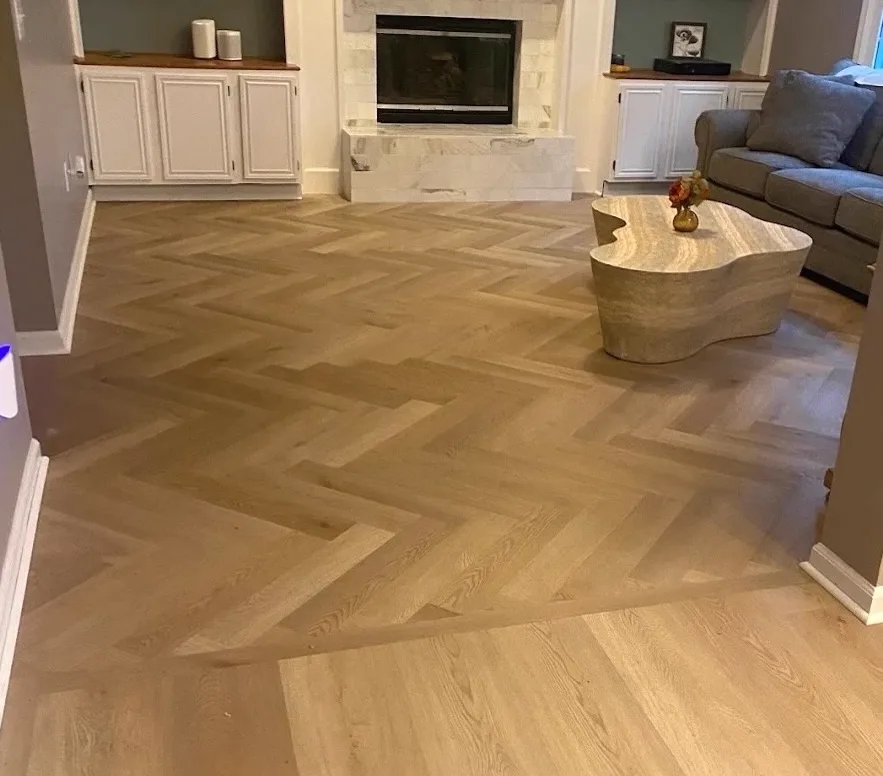
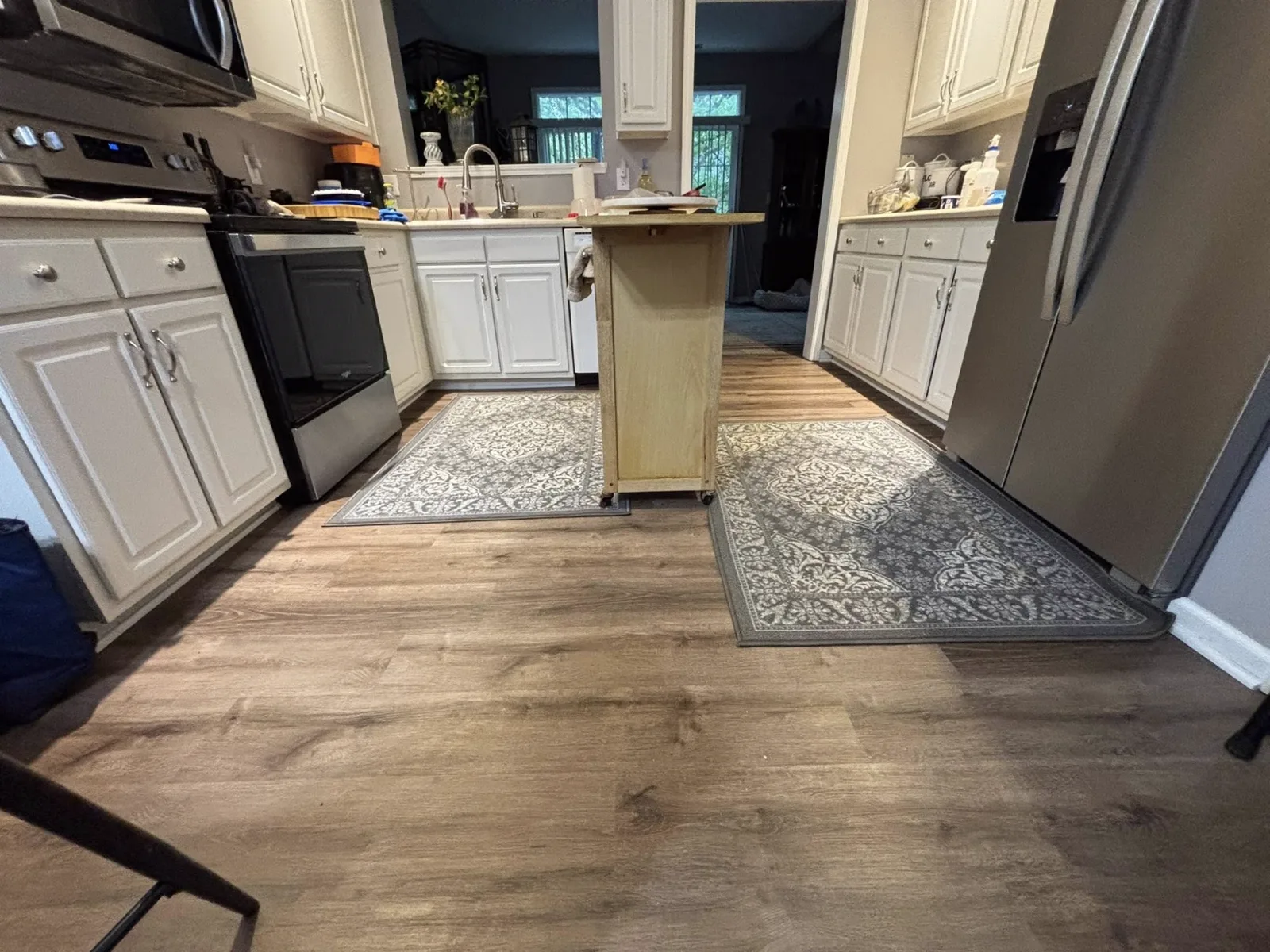
One of the best things about luxury vinyl plank is how little it asks of you. But “low maintenance” isn’t “no maintenance” - and a few common cleaning habits quietly shorten an LVP floor’s life. Here’s the routine we recommend to every Indianapolis customer we install for.
The Weekly Routine
Grit tracked in from outside acts like sandpaper under shoes - especially during an Indiana winter with salt and slush on every boot. A quick sweep or vacuum with the beater bar turned off a few times a week does more for your floor’s finish than any cleaning product ever will.
Mopping: Damp, Not Wet
LVP is waterproof, but standing water is still pointless risk at the seams. Use a well-wrung microfiber mop with a pH-neutral floor cleaner diluted per the label - or plain water with a splash of white vinegar. Skip dish soap-heavy mixes; they leave a dulling film that builds up over time.
What Actually Damages LVP
- Steam mops - heat and forced moisture can weaken seams and void most warranties.
- Wax or “shine” products - LVP’s finish isn’t meant to be coated; wax builds up, yellows, and is miserable to remove.
- Abrasive pads and scouring powders - they micro-scratch the wear layer permanently.
- Rubber-backed mats - some rubber reacts with vinyl and discolors it; choose felt-backed or vinyl-safe mats.
Spills, Pets, and Winter Salt
Wipe spills when they happen (LVP won’t stain from a quick cleanup), trim pet nails, and keep a boot tray by the door from December through March. Salt residue mops up fine - just don’t let it sit and grind underfoot for weeks.
When a Plank Gets Damaged
Deep gouges happen - a dragged appliance, a dropped tool. The good news: individual LVP planks can usually be replaced without touching the rest of the floor. Our floor repair team handles exactly this kind of fix. Thinking about LVP for your home? Start with a free in-home estimate.